
A Meeting, a Luncheon, and a Fireside Chat with the VCNO
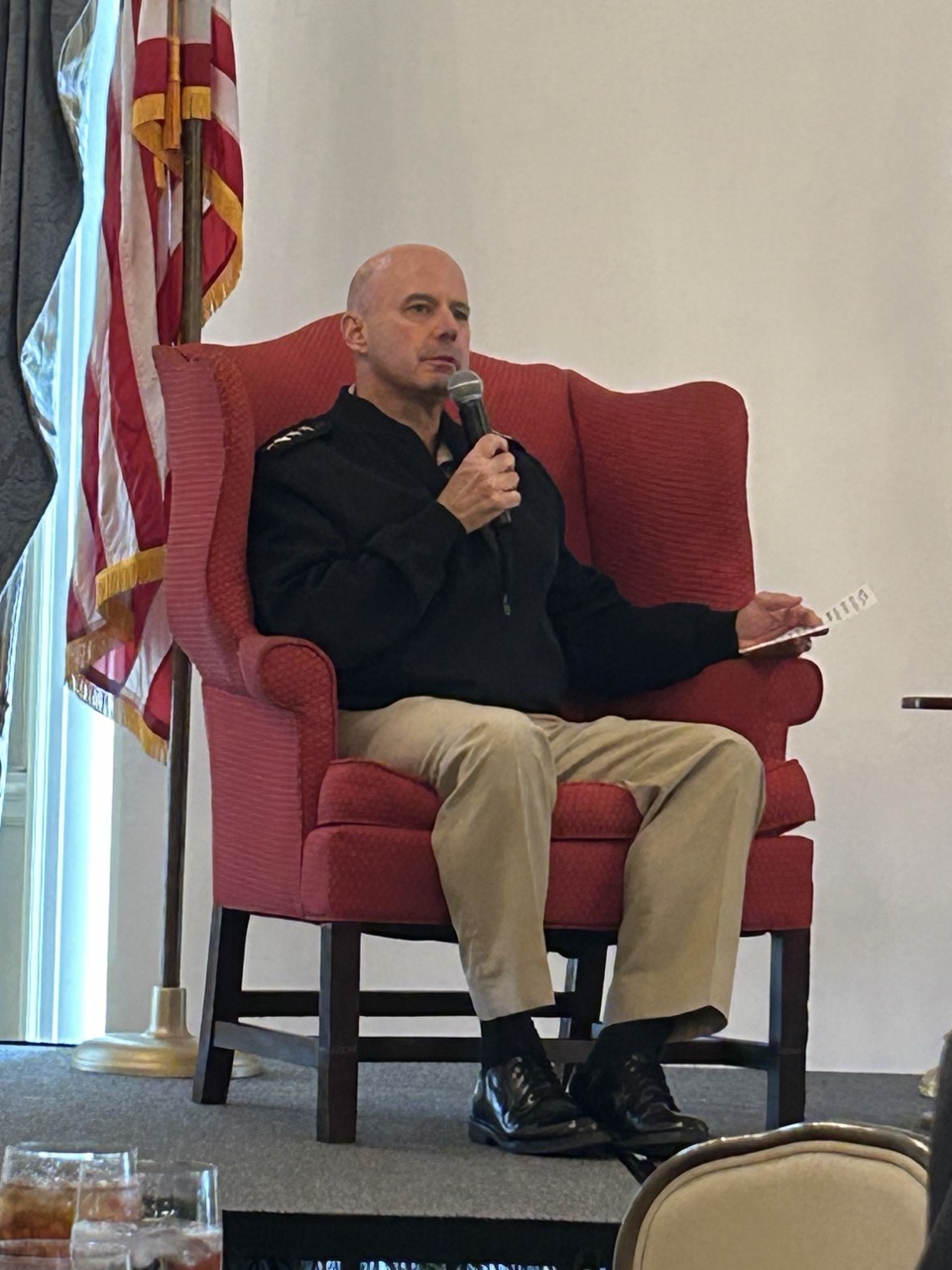
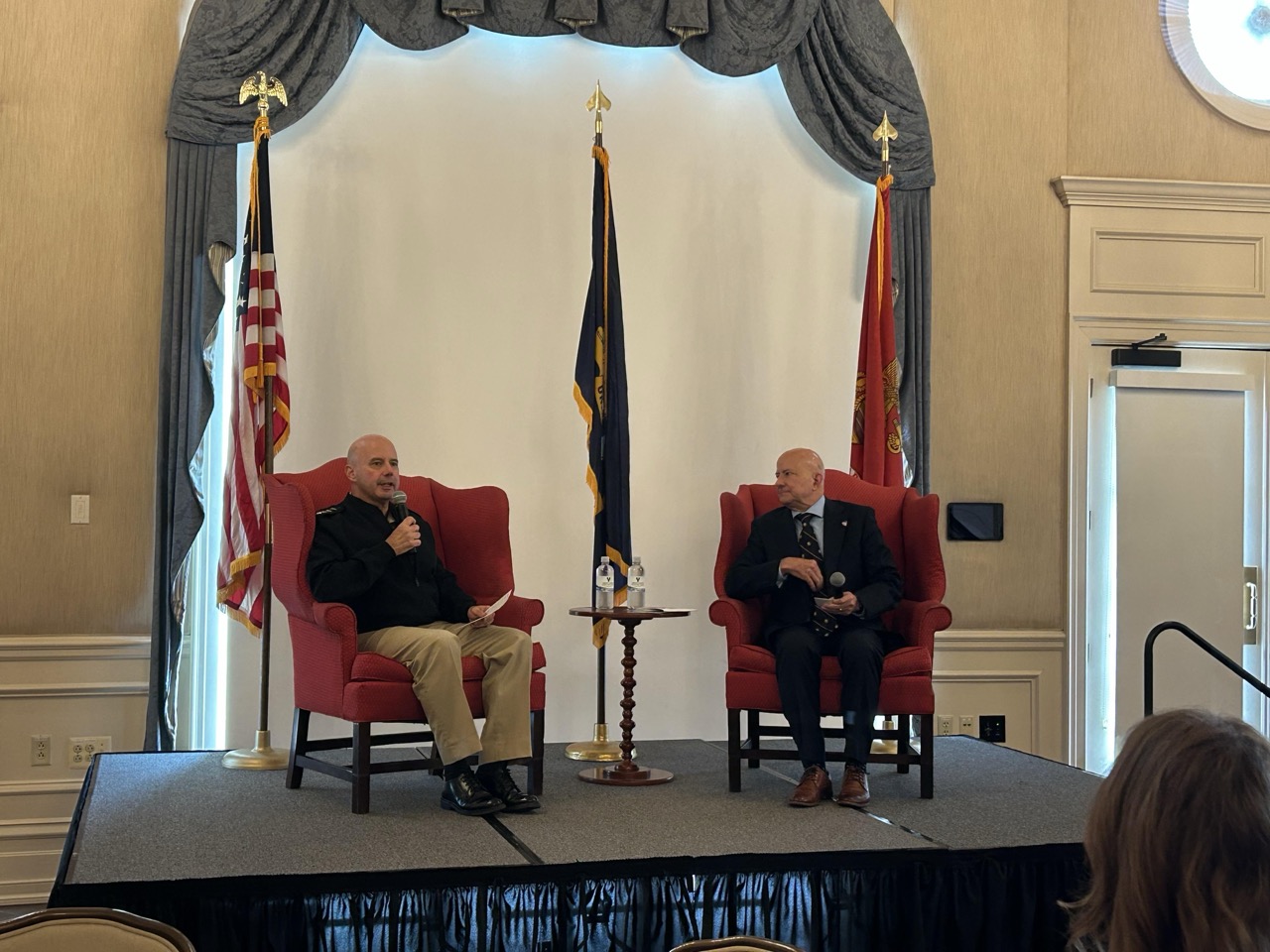
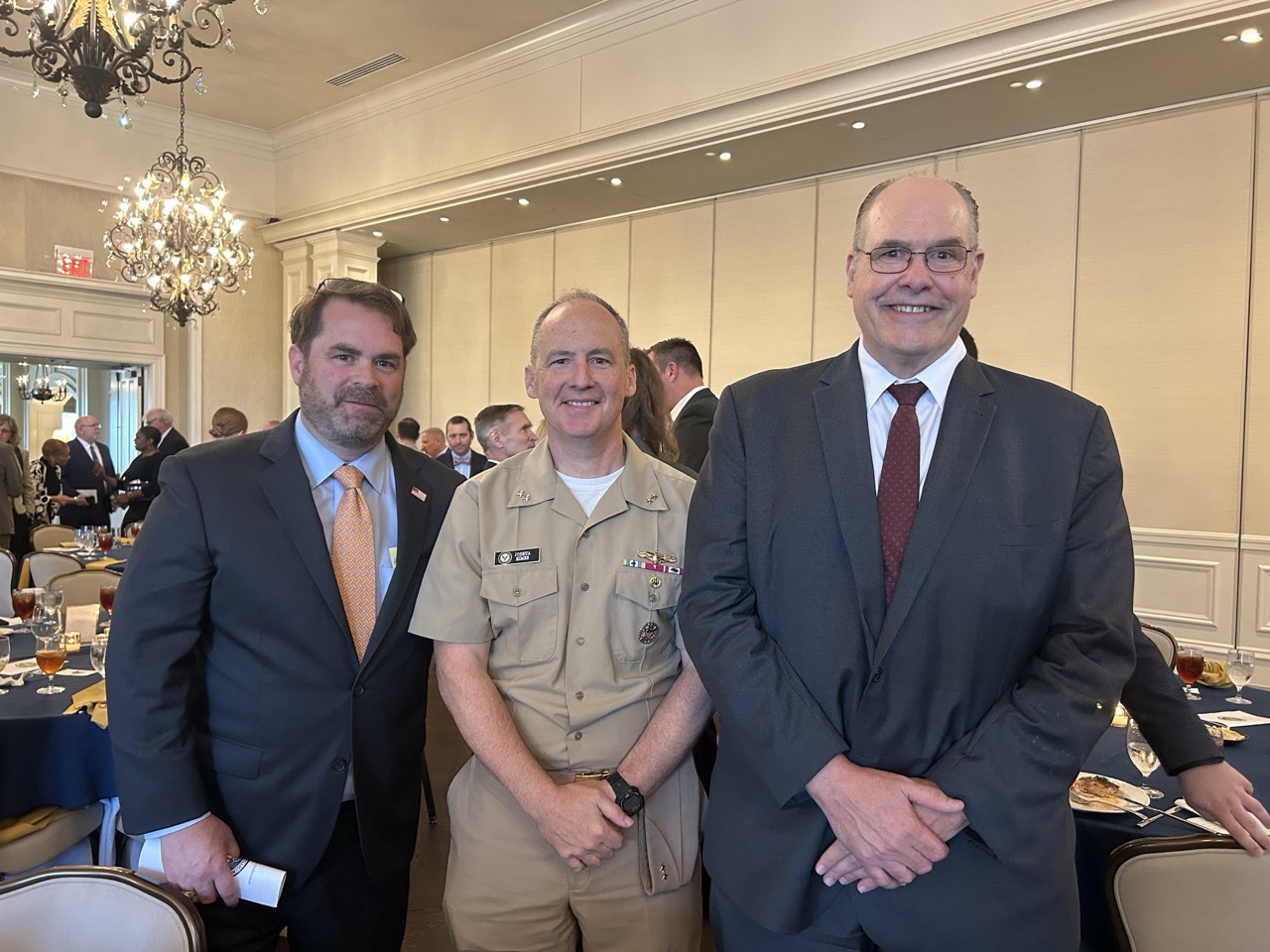
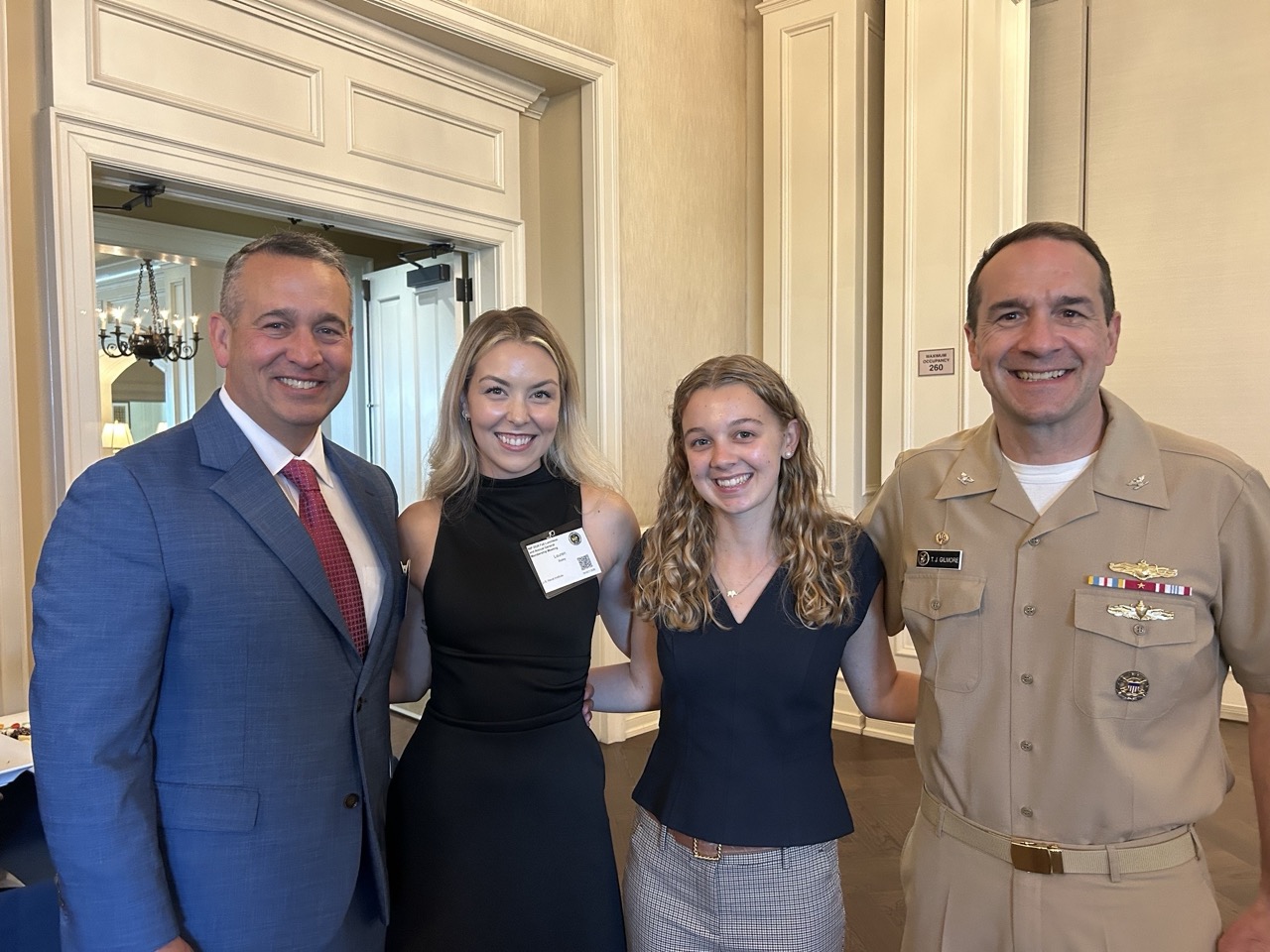
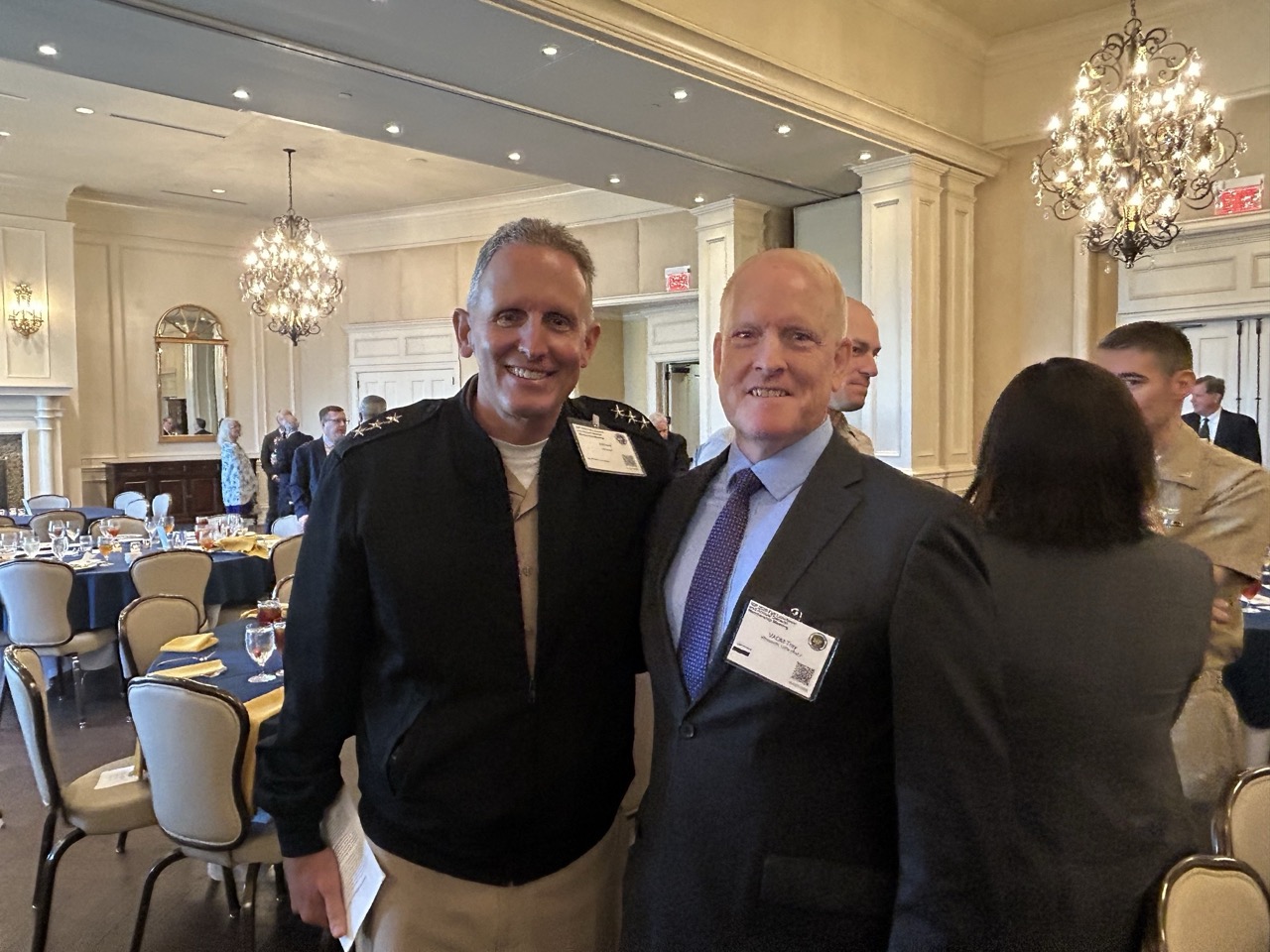
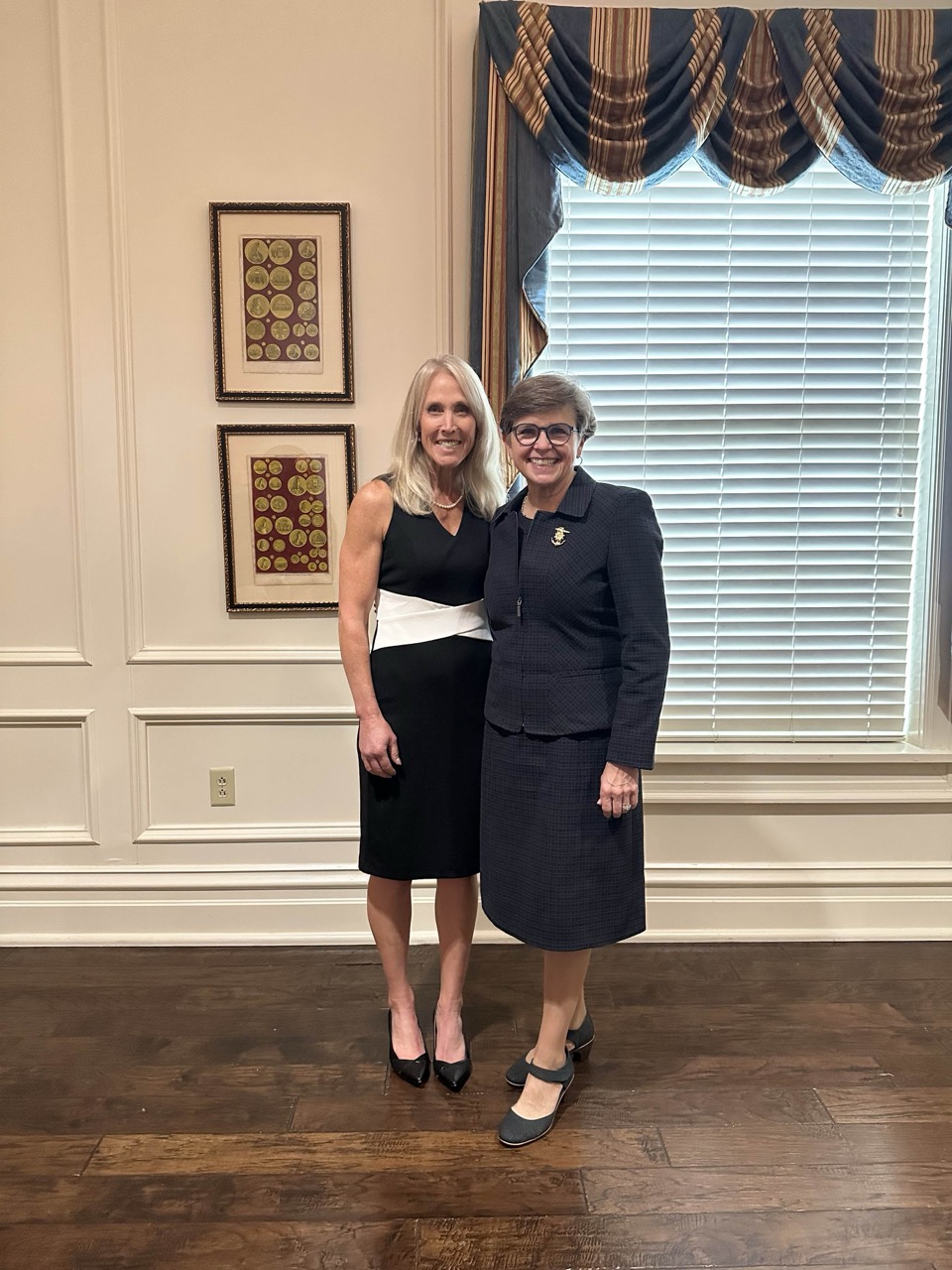
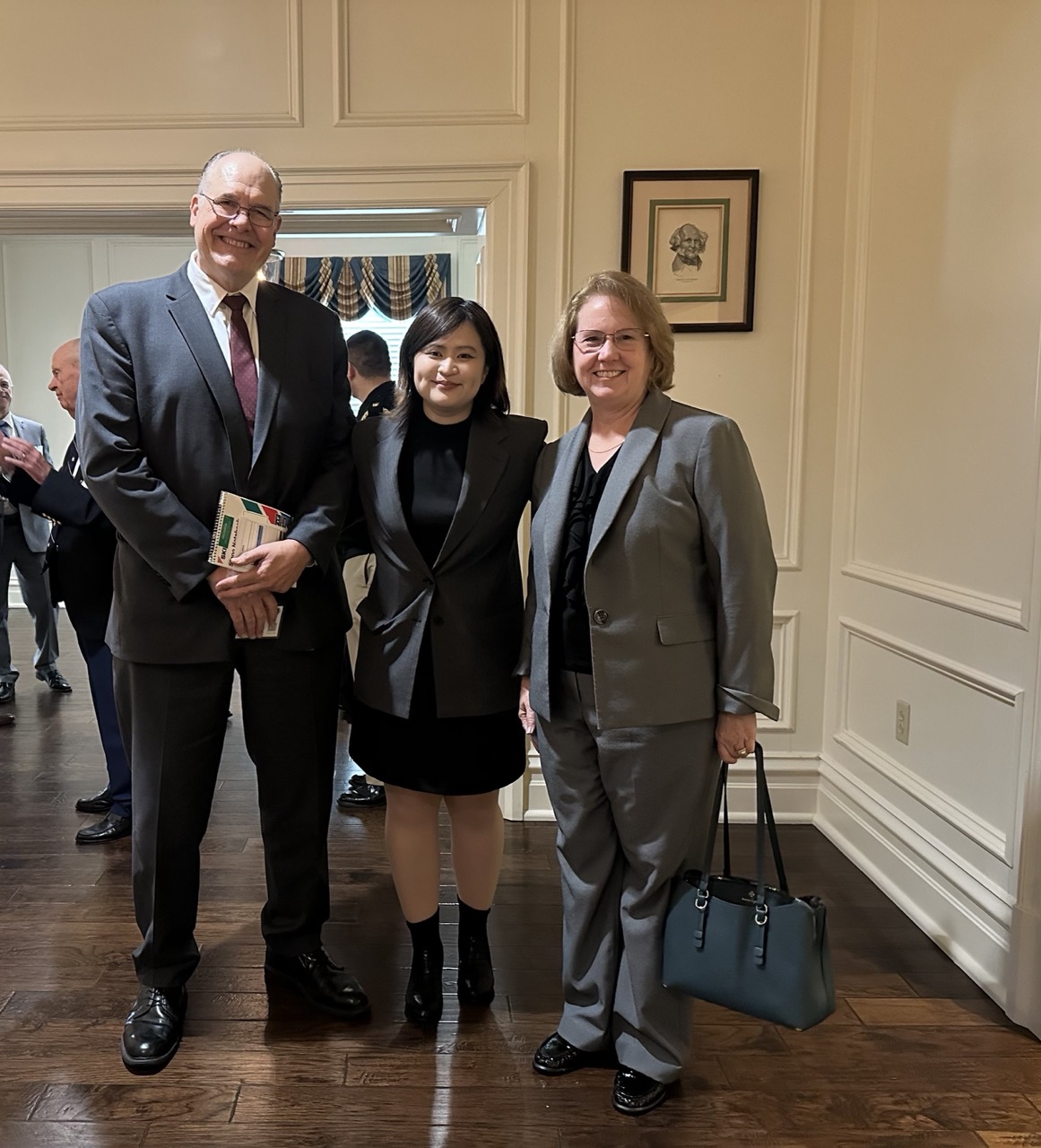
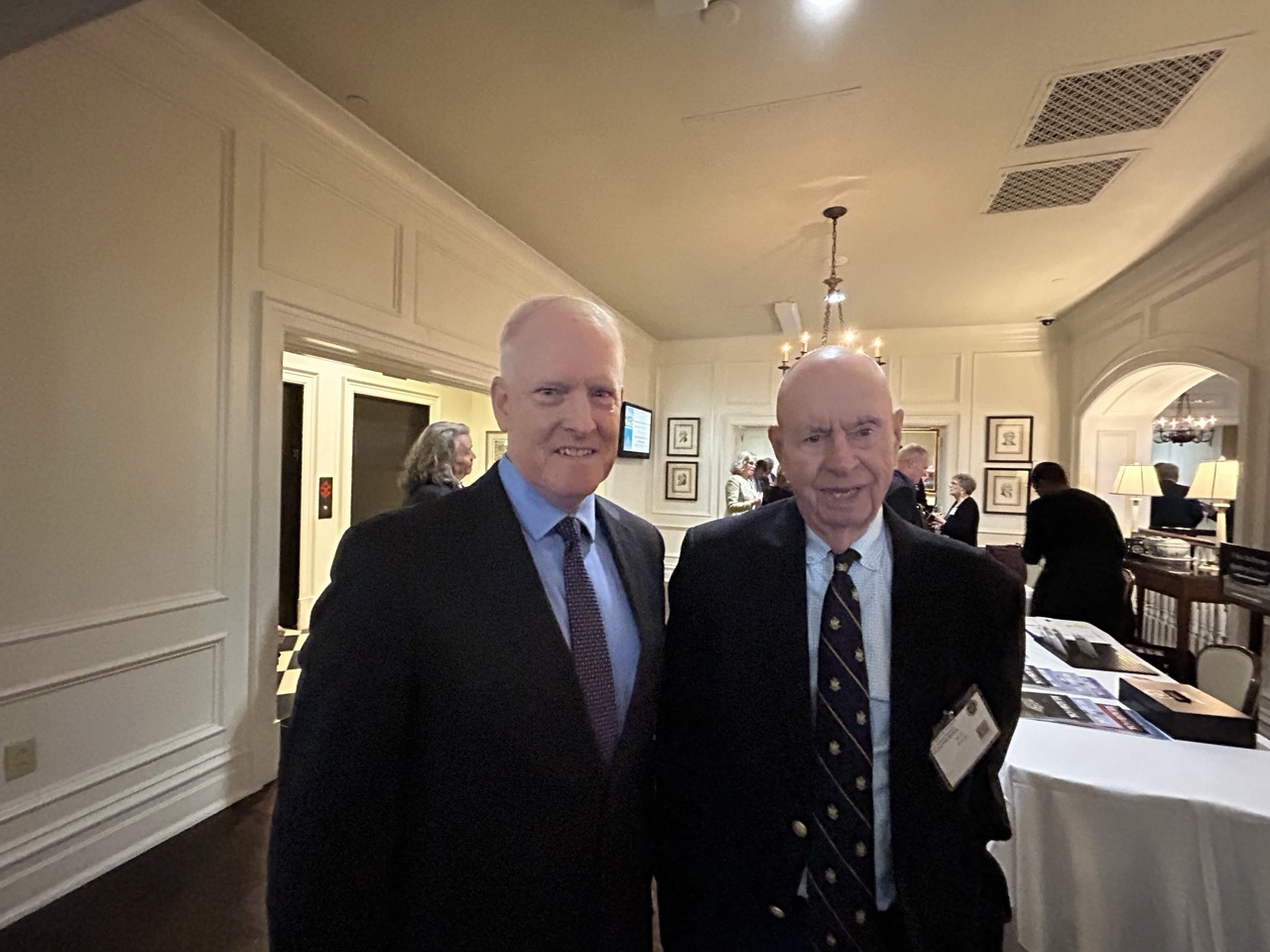
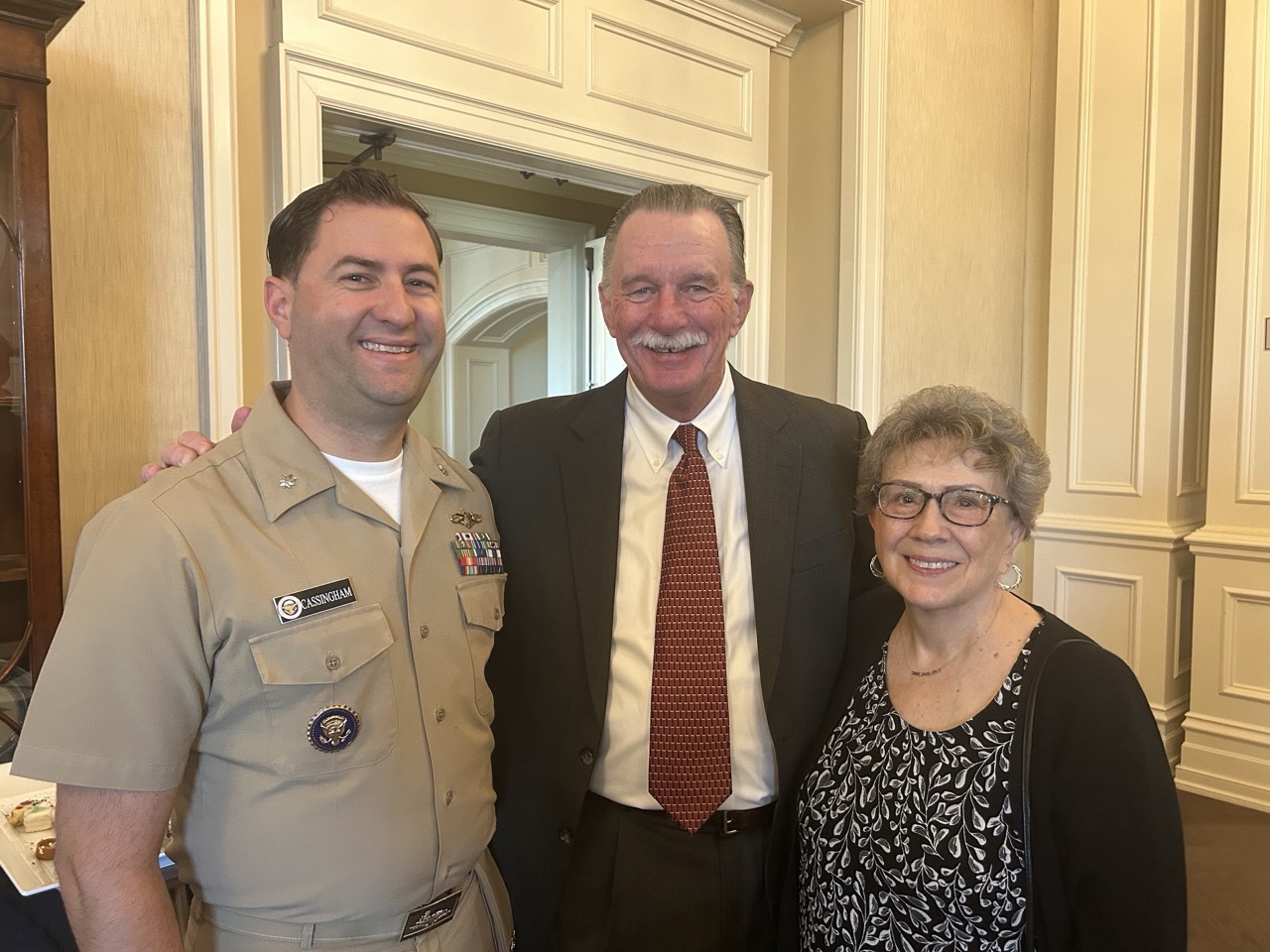
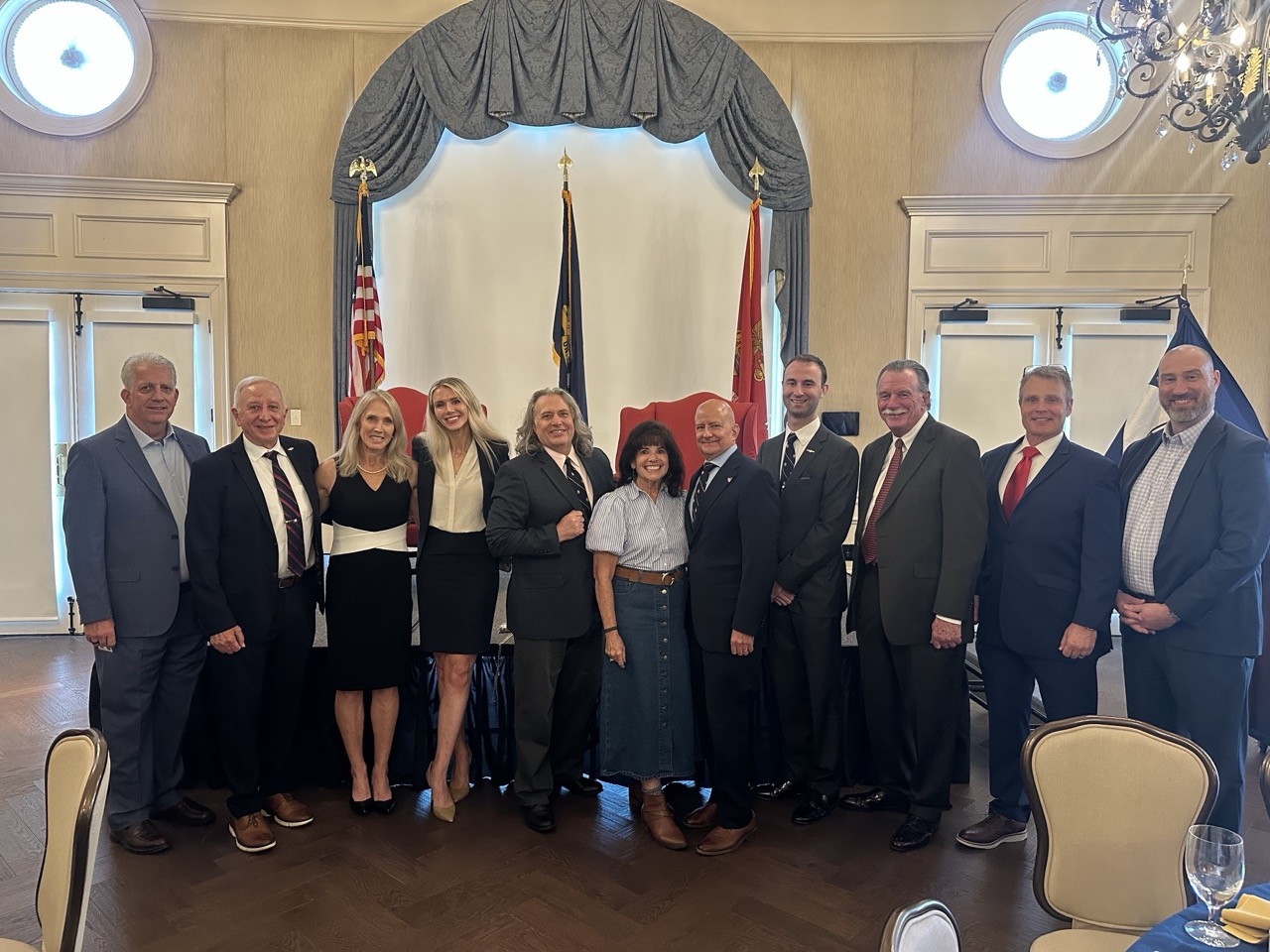
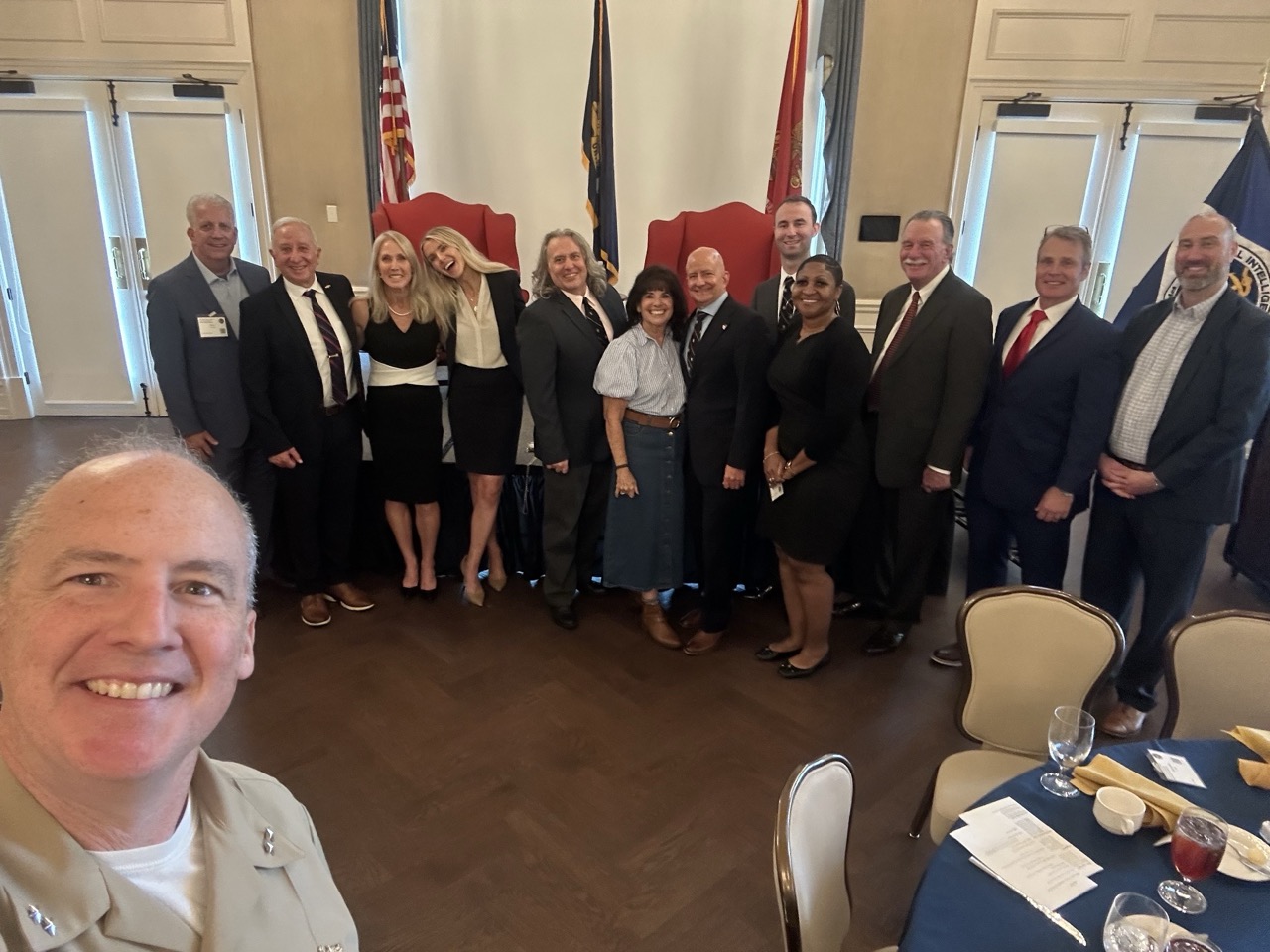
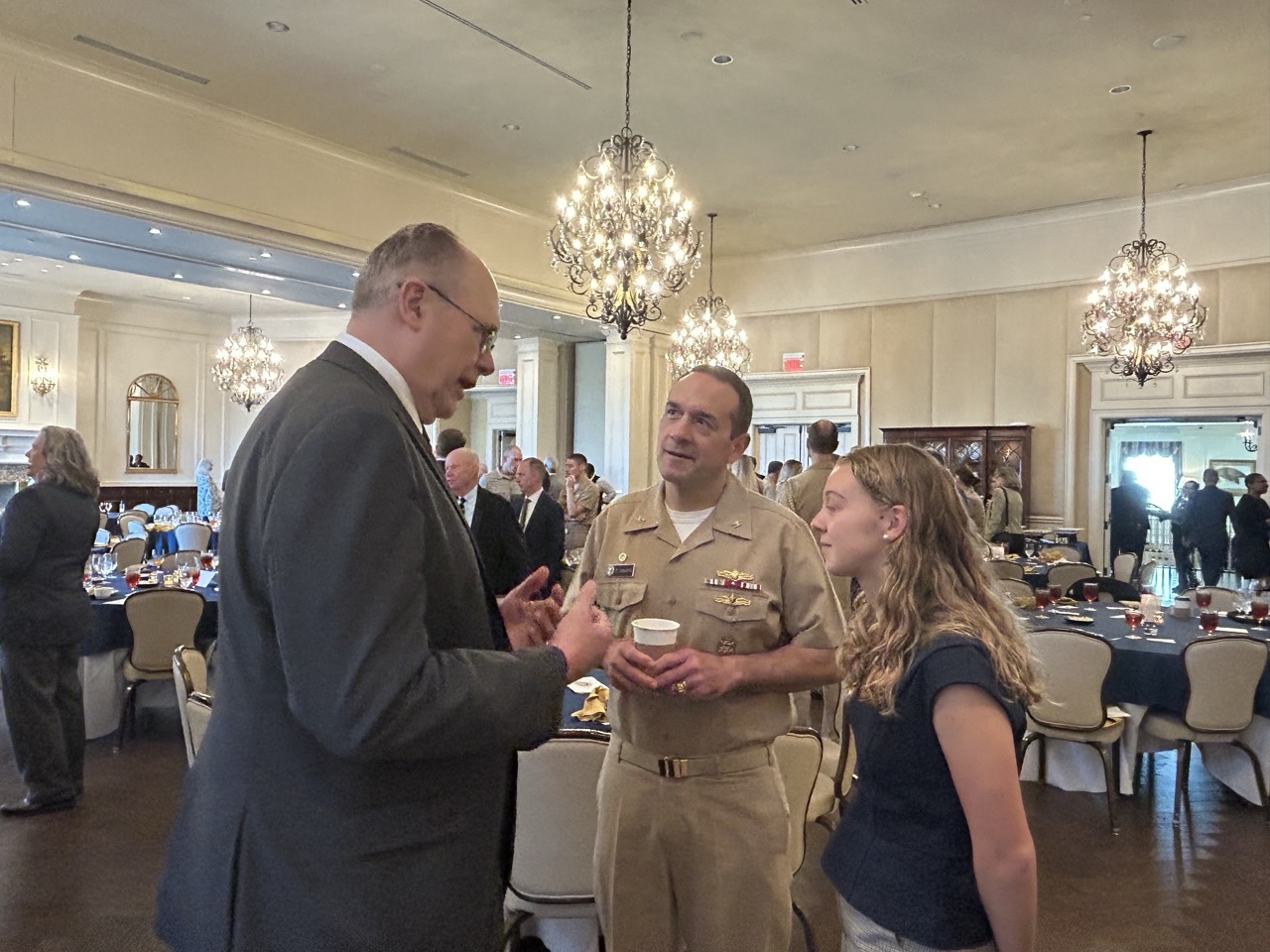
On an unseasonably warm, sunny day in October, well over a hundred Naval Intelligence professionals descended on the Army Navy Country Club for NIP’s annual meeting and fall luncheon. The big draw this year was honored guest Vice Chief of Naval Operations Admiral Jim Kilby, who graciously joined us for a fireside chat with NIP Chair Vice Admiral (Ret) Bob Sharp. Quite a few other senior leaders also were present, to include Deputy Undersecretary of the Navy for Intelligence and Security, Mr. John Cremins; Acting Director of Naval Intelligence and OPNAV N2 Mr. Steve Parode; Commander, Naval Information Forces Vice Admiral Michael Vernazza; Deputy Director of Operations at NSA Rear Admiral Josh Himes, Vice Commander Naval Information Forces Rear Admiral Michael Freidberg, Admiral (Ret) Bill Studeman, and Acting Deputy Director NIA Mr. Kyle Hunt. NIP was also honored to have Rear Admiral (Ret) Margaret Kibben (former Navy Chief of Chaplains and now the Chaplain of the House of Representatives) on hand to offer the invocation. We were duly blessed!
The fireside chat began with a few opening remarks from Admiral Kilby before launching into a discussion with Admiral Sharp and follow-on Q&A session. Kilby shared his thoughts on three topics: 1) how Naval Intelligence and information warfare has evolved into a core warfighting capability over the past 20-30+ years, with the added perspective of his own career and current position as VCNO; 2) the reorganization of the OPNAV staff, specifically related to position of N2 and intelligence, and the reasons behind it; and 3) the “Chief of Naval Intelligence” construct that ended last April. Kilby highlighted the current operations the Navy has been involved in over the past year and acknowledged the central role intelligence and information warfare plays in them. He referenced Vice Admiral Vernazza’s comments from earlier in the year when Vernazza said, “Information Warfare is no longer simply a supporting element—it is a primary warfighting function delivering decision advantage and lethality to the Fleet.” Kilby described his interaction with the intelligence community over the course of his career, from his first tour, when he had limited exposure to intelligence—and it primarily served a support role—to a time years later as a carrier strike group commander when he received the first board-certified Information Warfare Commander (IWC). During the course of that tour and follow-on interactions with the IWC position, Kilby realized how critical the IWC was and how information warfare developed a much stronger operational identity. Since then, the role of the IWC has matured and evolved even more, tightly integrated and sitting alongside the other warfare commanders as a vital component of the Navy’s warfighting capability. The discussion with Admiral Kilby flew by, leaving time for only a few questions at the end, but it was an incredible and unique opportunity to hear from the Vice Chief.
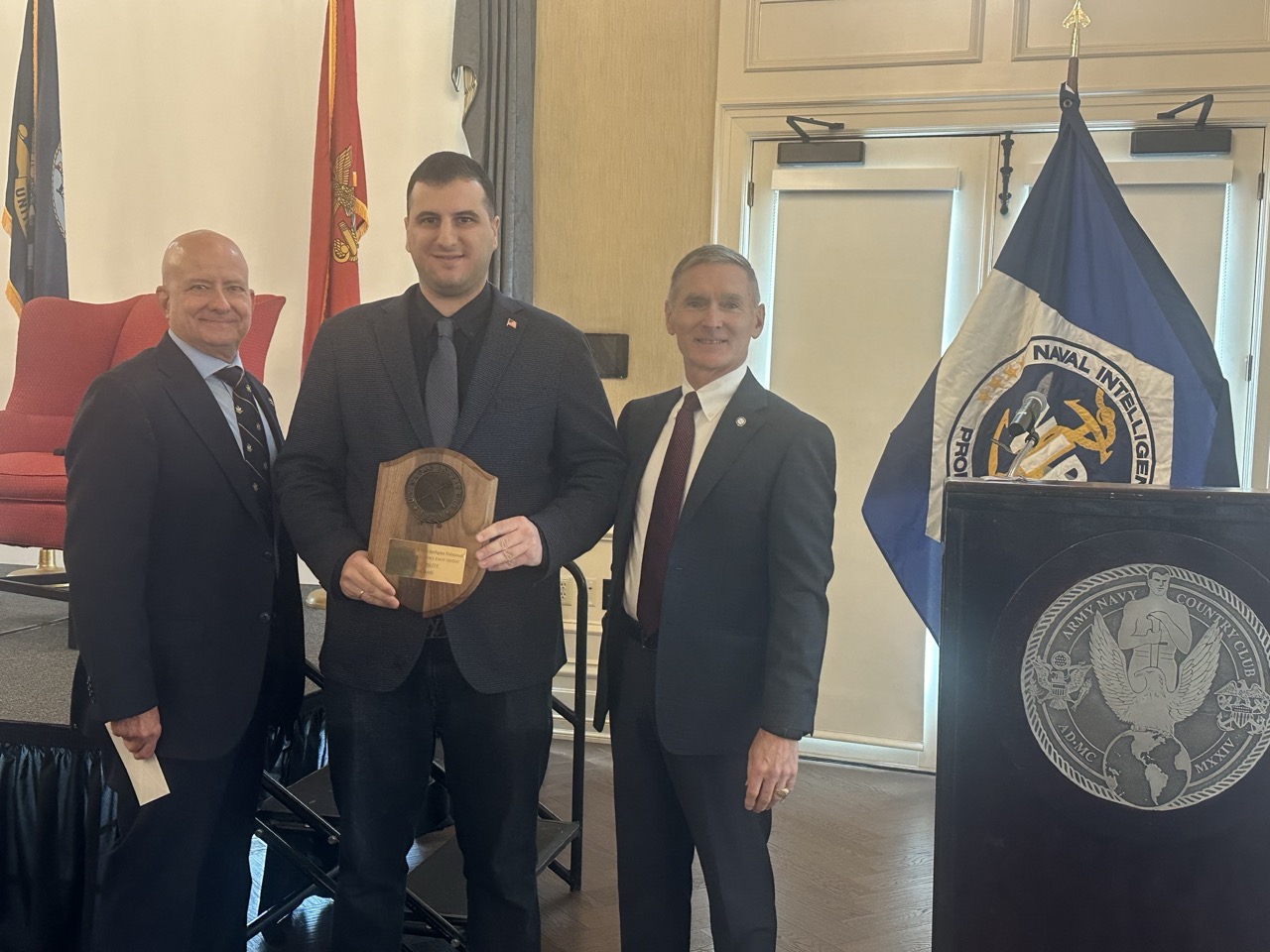
Prior to the fireside chat, Captain (Ret) Bill Hamblett, Chief Editor of Proceedings at the U.S. Naval Institute, recognized the prize winners from this year’s Naval Intelligence Essay Contest. The first prize winner, Burak Oktenli, was present at the lunch to receive his award in person for his essay, “Audit the Machine: The Unarticulated Risk in AI-Era Naval Intelligence.” Dr. Pascal vander Straeten, the author of the third-place essay, titled “Beyond Prediction: A Practical Strategy for Naval Intelligence,” could not attend the lunch as he had planned, but notably, he generously donated his prize winnings of $1500 to the NIP Scholarship Fund. He explained his gesture by saying, “This is a small way of expressing my admiration and respect for those who serve in naval intelligence and their commitment to their country.”
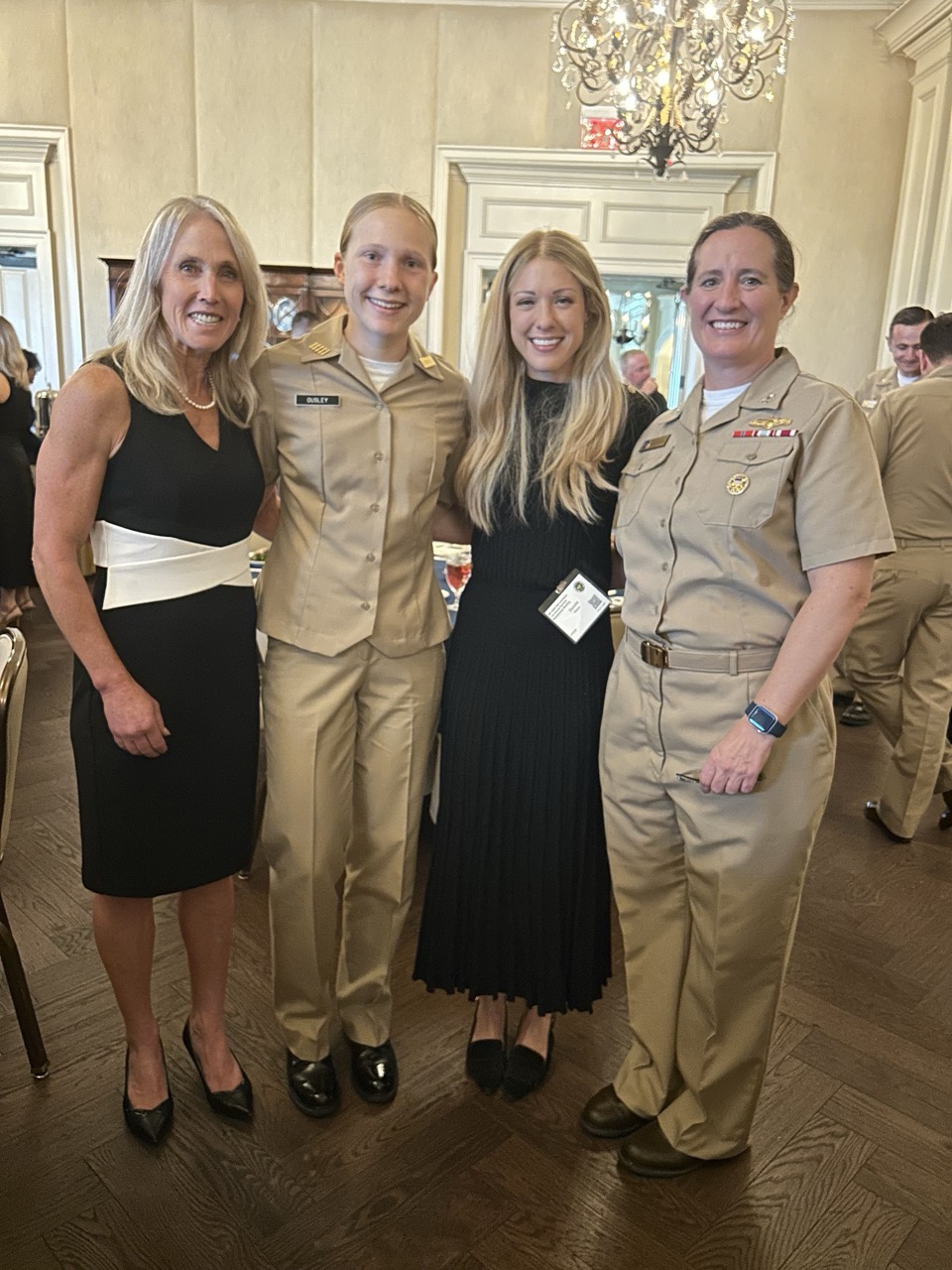
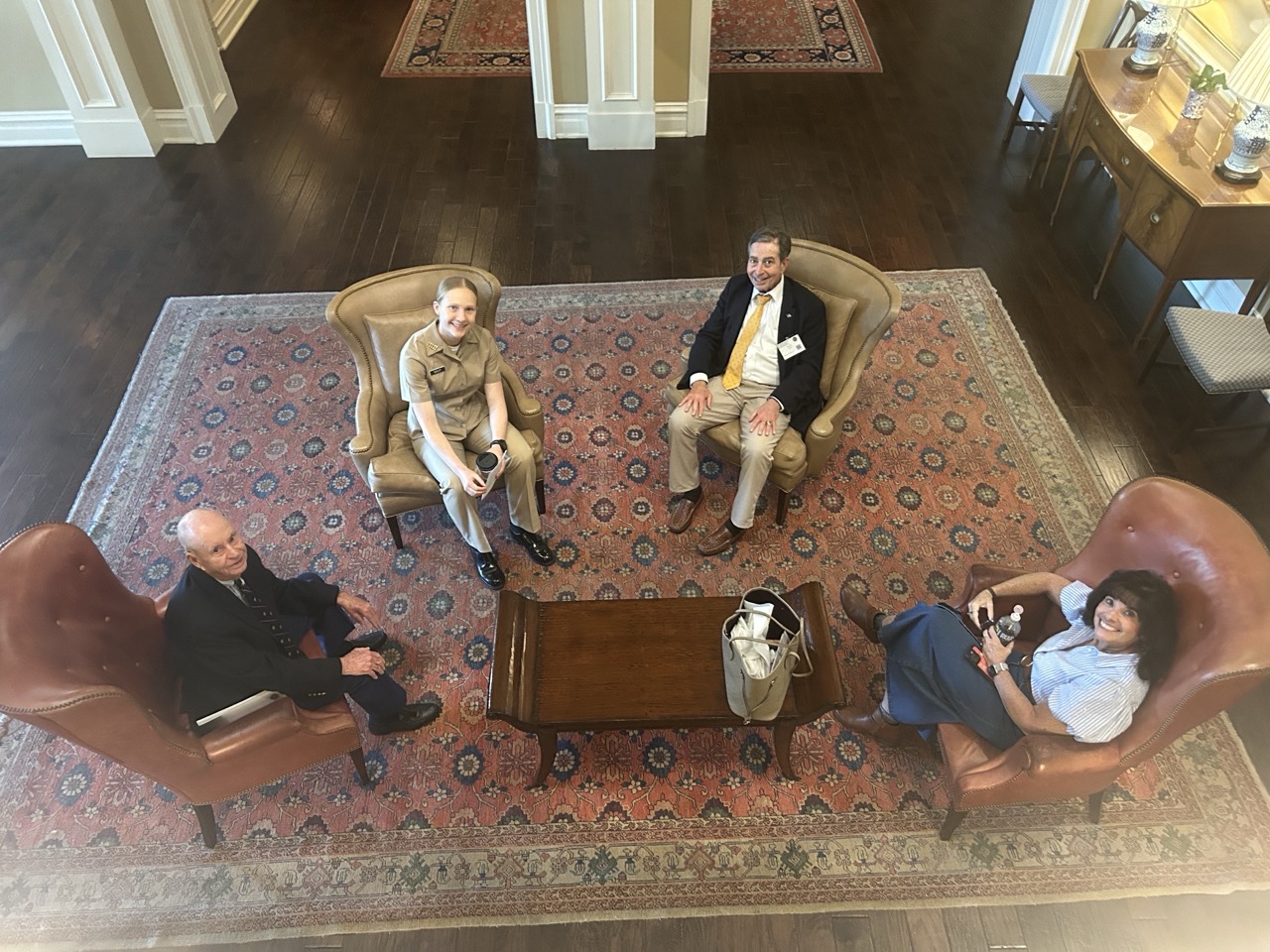
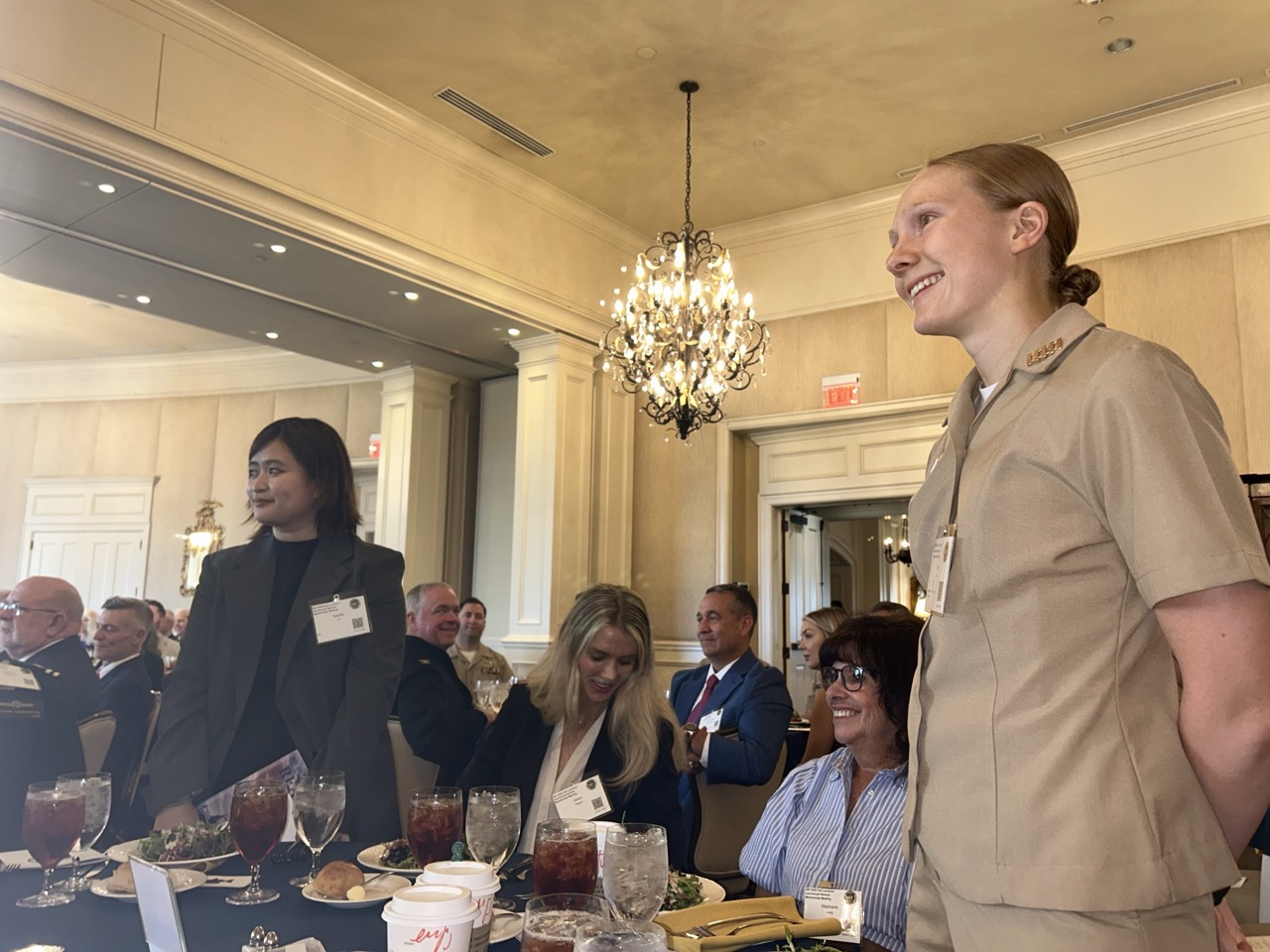
Another highlight of the event was the recognition of our most senior Naval Intelligence Professional present—retired Admiral Bill Studeman—and the most junior one—Midshipman First Class Grace Ousley, from the University of Missouri, who was just selected for intelligence (1830) when she graduates in May. It was representative of the breadth of the NIP community in bringing together the full spectrum of professionals of all ages. Midshipmen Ousley couldn’t have picked a better luncheon to attend, with the wide range of senior leaders present, both active and retired.
Prior to the lunch, NIP held its annual general meeting. NIP Chair Vice Admiral (Ret) Bob Sharp led the meeting, which included updates from the various board members. In Sharp’s opening comments, he reported that NIP is well-positioned to continue its mission of support to the Naval Intelligence community. He highlighted the outreach and communication efforts, such as the website, social media platforms LinkedIn and Facebook, the READBOOK, and quarterly newsletter. He also touted the progress of the Naval Intelligence History Project, particularly with respect to the recording of oral histories. Significant time and effort is going into documenting the insights of great Naval Intelligence leaders such as Rich Haver, Admiral B.R. Inman, Admiral Bill Studeman, and Rear Admiral Rick Porterfield—just to name a few—but it is critical to preserving their part of Naval Intelligence’s history. On the membership side, NIP has experienced a decline in the number of new members and membership renewals, which is something the organization is seeking to reverse. Sharp reminded the audience that all members can help by recruiting new members. The good news is that NIP remains in excellent financial shape to meet its mission. (Note: The meeting presentation is available to members on the NIP website for those interested in the entirety of the meetings proceedings.)
As the luncheon wrapped up, members were able to mingle a bit longer and enjoy the coffee and dessert bar before heading home. As usual, it was great day for Naval Intelligence to come together in fellowship, meet new people and re-connect with former shipmates and friends.
CONTACT
Naval Intelligence Professionals
PO Box 11579
Burke, Virginia 22009-1579
CONNECT WITH US!


© 2026 Naval Intelligence Professionals. All rights reserved. | Website design and development by Cat's Eye Design.